

Leasing guide
Flexi leasing vs daily rental
Where the crossover sits
Daily rental is priced for days and gets expensive fast. Past roughly three weeks, a flexi lease is usually the cheaper way to keep the same vehicle.
The short answer
Need a vehicle for a few days? Rent it. Need it for a month or more? A flexi lease is almost always cheaper, and you get one vehicle rather than whatever is on the forecourt each time you re-book.
The crossover typically lands somewhere between two and four weeks. Below that, rental's included insurance and zero credit check win on convenience. Above it, the daily rate compounds badly.
Why long rentals get expensive
Daily rental is priced around short, high-turnover bookings: cleaning, movement between branches, and the risk of the vehicle sitting idle. That overhead is baked into every day you hire, whether you keep the car for two days or two months. Long-hire discounts exist but rarely close the gap with a monthly rental figure.
A flexi lease prices the vehicle monthly from the start. You commit to a minimum initial term — as little as one month with us — and the agreement then rolls on 28 days notice. There is no re-booking, no vehicle swap, and no daily rate.
Flexi leasing vs daily rental, side by side
| Factor | Flexi lease | Daily rental |
|---|---|---|
| Best for | A month upwards, no fixed end date needed | Days to a fortnight |
| Insurance | Not included — you arrange comprehensive cover | Normally included in the price |
| Credit check | Affordability assessment, decided in house within 24 hours | Usually just a licence and a card |
| Same vehicle throughout | Yes, for the whole agreement | May require periodic swaps |
| Mileage | Generous annual allowance agreed up front | Often capped tightly or charged per mile |
| Getting the vehicle | Delivered to your door, 48–72 hours after approval | Same day, collected from a branch |
| Cost over a month | One monthly rental | Roughly 30 × the daily rate |
How to work out which is cheaper
- Take the realistic total number of weeks you need the vehicle. Be honest — most people underestimate.
- Get the rental quote for that whole period, including any young-driver or additional-driver fees and the mileage cap.
- Get the flexi lease monthly figure for a comparable vehicle, then add a real insurance quote.
- Compare the totals, not the headline rates.
Our flexi lease calculator does the arithmetic for the leasing side, including the insurance line, so you have a like-for-like number to put against a rental quote.
The trap to avoid. Booking a two-week rental "for now" while you decide, then extending it four times. Each extension feels small; the total quietly becomes far more than a lease would have cost, and you have nothing to show for the flexibility because you kept the car anyway. If there is a realistic chance you will need it beyond a month, price the lease at the start.
When rental is still right
- A genuinely short need — a weekend, a holiday, a few days while your car is in for repair.
- You cannot pass an affordability assessment, or do not want a credit search.
- You need a vehicle within hours rather than days.
- You cannot arrange your own insurance.
When to switch to a flexi lease
If you are on your second rental extension, stop and compare. Common triggers: a contract that has been extended, a factory order that has slipped, an insurance claim dragging on, or a business that has taken on seasonal work. All of them are cheaper on a flexi lease, and none of them require you to guess an end date — 28 days notice covers you.
Available now
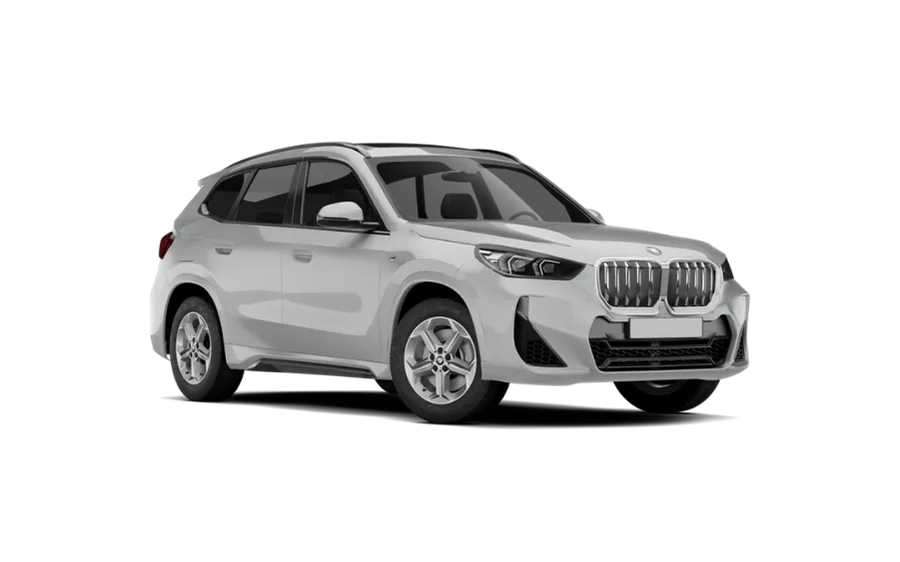
In-stock vehicles ready for quick delivery, from £459 per month exc. VAT.


Frequently asked questions
At what point does a flexi lease beat daily rental?
Can I just extend a daily rental instead?
Is insurance included in a flexi lease like it is with rental?
Do I need a credit check for a flexi lease?
Start your leasing journey
Tell us your requirements and we'll come back with a competitive, tailored quote.